"Success is to accept ourselves": The interview by Bianca Bemori for "Foto-notiziario" magazine


A cominciare dalle coraggiose copertine di sola grafica e di un solo colore ( in questo numero, guarda caso - il nero ) il buon vecchio "Foto-notiziario" è cambiato parecchio.
Io lo ricevo da sempre, a dir la verità non so nemmeno bene perchè. Ok, forse perchè faccio il fotografo, ma - voglio dire - non l'ho mai pagato, e non ricordo di averlo mai richiesto.
Anche perchè, francamente, è sempre stato piuttosto bruttino e noioso, con atroci pubblicità di Mini-lab per fotonegozianti, prove di macchinette fotografiche e - nella mia percezione - zero fotografie.
Insomma il tragitto tra casella delle lettere e cestino dei rifiuti era diretto, senza tappa intermedia sul mio tavolo.
Adesso invece, anche grazie alla sinergia con l'AFIP di Giovanni Gastel, è diventato un giornale con ambizioni ben diverse.
Questo numero di giugno-luglio è quasi tutto dedicato alla foto sportiva: vela, calcio, nuoto, sci, e la bella chicca di una doppia pagina dedicata a Hugh Holland, mitico fotografo dei primi skaters di Los Angeles negli anni settanta.

Nonostante io non c'entri molto con la fotografia sportiva, in questo numero c'è anche una mia intervista dove, tra l'altro, si parla di quei famosi 200.000,00 euro che - a mio parere - e con lo scoramento di molti, sono l'investimento minimo necessario per costruirsi una carriera fotografica decente.

Si intitola: "Accettare se stessi". Eccola:


Sfida e provoca.
Ma lo nega: “Io un fotografo irrivente?”, sorride sornione. “E perché? Non è vero. Scrivono molte cose…”.
Un primo esempio: ai suoi workshop tuona che per essere dei fotografi che lasciano il segno bisogna “accettare se stessi”.
Semplice e difficilissimo.
Ma questo che c’entra con obiettivi e inquadrature? “C’entra con il diventare un fotografo con un proprio personale punto di vista sulle cose. Si può ottenere soltanto riconoscendo i propri desideri e i propri bisogni profondi e comprenderli. Questo significa accettare se stessi”.
Il mirino sulla stessa linea dell’inconscio, si potrebbe dire, parafrasando Henri Cartier – Bresson.
“Oggi è ancora più importante tenere conto di questo principio, perché con le macchine digitali si può facilmente fare una bella foto, ma non per forza la "propria" foto, quella che racconta come si sente, come si vive, come si subisce e come si assaggia quello che sta intorno a noi”.
Ma neppure questo basta per uscire dal branco.

“Per diventare fotografi fuori dalla mischia bisogna almeno investire 200 mila euro. E’ fondamentale”.
Detto fatto? “Non scherzo. Affermo questo perchè ritengo sia necessario studiare, viaggiare, leggere, fotografare, aggiornare attrezzature e macchine. E tutto questo costa”.
Ecco quindi la mia versione dei fatti: Toni Thorimbert ha idee intelligenti, e per alcuni spiazzanti, e le comunica in modo diretto. Tutto qui.
Niente a che fare con l’irriverenza, ma molto in comune con una propria, decisa, visione del mondo. “Perché ho fatto il fotografo? Volevo raccontare il mondo. E all’inizio ho fatto del reportage, poi sono passato alla fotografia moda che difatto è una metafora del mondo: il mondo come fantasia del mondo”.
Però i servizi li ha catapultati nella stessa realtà che perlustrava poco prima.
Un esempio è la sua “donna sulle macerie”: una modella con uno straordinario abito bianco cammina su tracce di mattoni e cemento, i resti di qualcosa che è crollato. “E’ una foto del 2006, vuol dire: camminiamo elegantemente vestiti per un mondo in inesorabile caduta. E in questo mi riferivo anche all’universo della moda. Oggi in Italia probabilmente non è più possibile fare una foto così. C’e molta crisi e il vestito è diventato centrale in ogni foto. Inoltre ci rivolgiamo anche ai mercati emergenti, che hanno dei riferimenti diversi dai nostri. Quindi dobbiamo essere più semplici e chiari”.


Ma le sue donne però continuano a essere poco comuni. Sono molto vive e piuttosto uniche. A partire dal fatto che non sono mai ferme: stanno per andare via, per arrivare, per fare qualcosa che non si sa. E a volte sembra che danzino: “Davvero? Forse perché io sono sempre in movimento. E sono molto veloce. Quindi lo trasmetto. Mi arriva dal reportage”.
Toni Thorimbert ha iniziato a 17 anni, col catturare gli sguardi di sfida dei ragazzi di Pioltello, la periferia dove è cresciuto, e ha continuato con le tensioni sociali e politiche degli anni ’70, gli anni delle manifestazioni, dei comizi, degli scontri di piazza, per poi dedicarsi al ritratto: “Sono passato dal riprendere tante facce a un sola…”.
Nel suo ricchissimo portfolio molti ritratti colpiscono nel segno: c’è l’anima della persona, come dicono gli islamici. “No, non sono d’accordo con questo modo di dire. Il ritratto è il risultato di una relazione che si crea tra il fotografo e il soggetto nell’istante in cui la foto accade. E’ l’esperienza di un incontro. Direi che un buon ritratto è un po' come una S.r.l: due persone insieme per un progetto, ma ognuna esiste per se stessa. Quello di Alberto Moravia è, a questo proposito uno scatto che immortala “una non relazione”: lui non era molto in vena di farsi fotografare”. Ma secondo me, in quella foto c’è anche lo scrittore schivo degli inizi, quello degli "Indifferenti".
Così come in quella di Vittorio Mezzogiorno che sembra stia per spiccare un volo c’è la natura profonda di un attore che ha saputo volare, appunto, oltre certi confini. Dal teatro classico alla tv all’avventura teatrale del Mahabbarata di Peter Brook, lo spettacolo durato 9 ore su un’opera epica indiana. Mica poco. “E’ vero, qui sembra volare”, abbozza. “Era già molto malato e lo sapeva… Ma si, forse qui c’era tutta l’energia per vincere una battaglia”.

Insomma quell’inquadratura ha catturato la forza dell’ultimo volo. Tutto questo perché: “E’ importante non avere già in testa come sarà il ritratto: alcuni lo vedono come specchio di loro stessi, ma io credo che bisogna fare come quando si fa un reportage: stare a vedere cosa accade, essere un testimone. La macchina fotografica ci aiuta, è ermafrodita: maschile perché penetra le situazioni, femminile perché è in grado di accoglierle”.


E le sue macchine fotografiche sono state, negli anni: Nikon e Olimpus per il formato 135 e il banco ottico Toyo 10x12: “Facevo tutto con quello: ritratti, moda, ma anche reportage, foto in movimento. Per un periodo ho usato molto la Mamiya 6X7 e la Pentax 645, specialmente quando lavoravo per Vogue e L’Uomo Vogue. Da metà degli anni ’90 ho incominciato ad usare la Rollei biottica 6X6. Oggi uso Canon e Hasselblad digitali, la Rollei e la Nikon F3 con la pellicola”.

Astrid Bianca Bemori

English translation:

Starting from the bold cover with monochrome graphics (in this issue, strangely enough - black), the good old "Photo-news" has changed a lot.
I have always received it, to tell the truth I don’t even know why. Ok, maybe because I'm a photographer, but - I mean - I've never paid for it, and I don’t remember having ever required it.
Also because, frankly, it's always been pretty ugly and boring, with terrible ads of mini-labs for photo dealers, tests of cameras and - in my perception - zero pictures.
So, the way from letter box to trash was direct, with no intermediate steps on my desk.
Instead now, thanks to the synergy with Giovanni Gastel’s AFIP, it has become a magazine with quite different ambitions.
This issue of June-July is almost entirely dedicated to sports photos: sailing, soccer, swimming, skiing, plus the beautiful gem of a double page dedicated to Hugh Holland, legendary photographer of the top skaters in Los Angeles in the seventies.

Although I haven’t much to do with sports photography, in this issue there is also an interview with me where, among other things, we talk about those famous 200.000,00 Euros which - in my opinion and to the discouragement of many - are the minimum investment required to build a decent photographic career.

It is entitled: "Accept yourself." Here it is:

He challenges and provokes.
But he denies it: "Me an irreverent photographer?", smiles slyly. "Why? It is not true. They write a lot of things ... ".
A first example: in his workshops he proclaims that to be a photographer who leaves a mark you must "accept yourself."
Simple and tough.
But what has this to do with lenses and framing? "It has something to do with becoming a photographer with his own personal point of view on things. It can only be achieved by recognizing your desires and deepest needs and by understanding them. This means accepting yourself".
The viewfinder on the same line of the unconscious, one might say, to paraphrase Henri Cartier-Bresson.
"Today it is even more important to take this principle into account, because with digital cameras you can easily make a nice picture, but not necessarily "your" photo, the one that tells how you feel, how you live, how you suffer and taste what's around you".
But not even this is enough to emerge from the crowd.
"To become photographers out of the fray you must invest at least 200.000 Euros. It’s key".
Said and done? "I'm not joking. I say this because I think it is necessary to study, travel, read, photograph, update equipment and cameras. And all this has a cost".
Here is my version of the facts: Toni Thorimbert has clever ideas, and for some unsettling, and communicates them directly. That's it.
Nothing to do with irreverence, but a lot in common with one’s own, determined, worldview. "Why I became a photographer? I wanted to narrate the world. And at first I did reportage, then I switched to fashion photography that in fact is a metaphor for the world: the world as imagination of the world".
Hence, he projected his assignments into the same reality he was exploring before.
An example is his "woman on the ruins": a model with a stunning white dress walking on traces of bricks and concrete, the remains of something that has collapsed. "It is a photo from 2006, and it means: let’s walk elegantly dressed through a world in inexorable fall. And through this I was referring also to the universe of fashion. Probably today in Italy it is no longer possible to take a picture like that. The crisis is serious and the dress has become key in every photo. In addition, we are also turning to emerging markets, which have references different from ours. So we have to be more simple and clear. "

His women, however, continue to be uncommon. They are very much alive and quite unique. Starting from the fact that they are never still: they are about to go away, to arrive, to do something that no one knows. And sometimes they even seem to dance: "Really? Maybe because I'm always moving. And I am very fast. So I transmit that. This comes from reportage".
Toni Thorimbert began at the age of 17, by capturing the daring looks of the children from Pioltello, the suburbs where he grew up, and continued with the social and political tensions of the '70s, the years of demonstrations, rallies, public clashes, and then devoted himself to portrait: "I went from capturing many faces to a single one...".
In his rich portfolio many portraits hit the mark: there is the soul of the person, as the Islamists say. "No, I do not agree with this common saying. The portrait is the result of a relationship that is created between the photographer and the subject at the moment when the picture happens. It’s the experience of an encounter. I would say that a good portrait is a bit like a Ltd: two people together for a project, but each one exists for itself. The one with Alberto Moravia, in this regard, is a shot that captures a "non-relationship": he was not in the mood to be photographed". But according to me, in that picture there is also the writer of the earlier times, the one of the "Indifferents".
As in the one of Vittorio Mezzogiorno, who seems to be about to fly away, there is the profound nature of an actor who was able to fly, in fact, beyond certain boundaries. From classical theater to the TV and to the theatrical adventure of Peter Brook's Mahabharata, the show based on an epic Indian play and that lasted 9 hours. Not bad. "It's true, here he seems to fly," hints. "He was already very ill and he knew it ... But yeah, maybe here there was all the energy necessary to win a battle."
So that shot caught the strength of the last flight. All this because: "It's important not to have already in mind how the portrait will come out: some see it as a mirror of themselves, but I think you have to do like when you make a reportage: wait to see what happens, be a witness. The camera helps us, is a hermaphrodite: male because it penetrates the situations, female because it is able to receive them. "

His cameras have been, over the years: Nikon and Olympus for 135 format and the Toyo 10x12 view camera: "I did everything with that: portraits, fashion, but also reportage, photos in motion. For a while I have been using a lot the Mamiya 6x7 and the Pentax 645, especially when I worked for Vogue and L'Uomo Vogue. From the mid-90s I started to use the bi-optical Rollei 6X6. Today I use Canon and Hasselblad for digital, the Rollei and the Nikon F3 for analog".

Astrid Bianca Bemori


Translation by Francesca Stella.

Foto-notiziario magazine
June-July issue.
"Success is to accept ourselves"
Toni Thorimbert interviewed by Bianca Bemori


Click on the pictures to enlarge.


I am very sorry, no post this sunday...


I was too busy shooting my sister wedding!

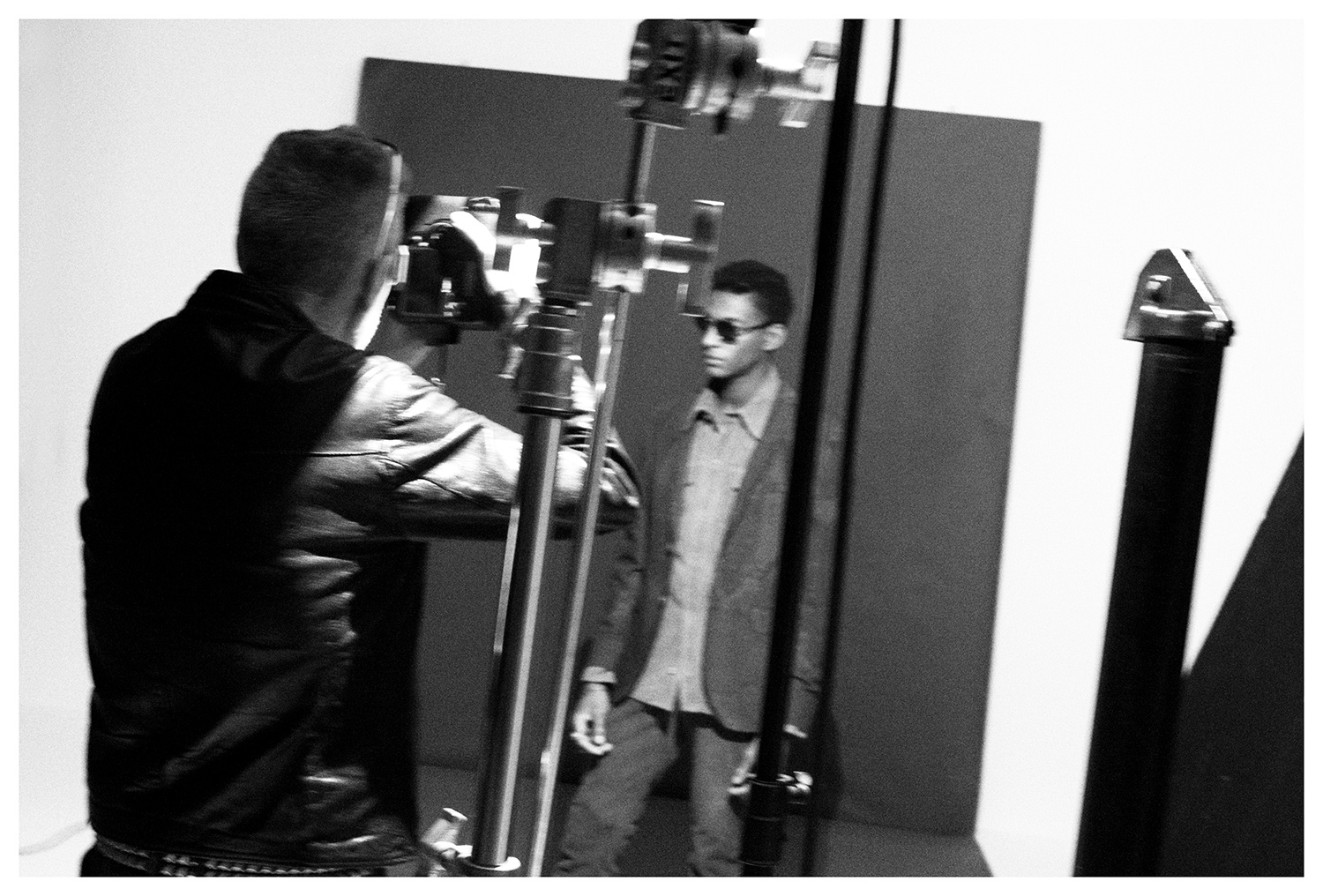
Toni Thorimbert at work photographed by Gia Thorimbert in Hyeres, France.

Click on the picture to enlarge

Lectio magistralis > Ispirazioni > Triennale Milano > The full video!


Non sottovaluterei questo post, che sembra un po' scarno, ma solo in apparenza.
Anche saltando a piè pari i primi 13 minuti ( ringraziamenti vari, video-nel-video by Cattelan e simpatica presentazione della Pina) avrete comunque bisogno di 91 minuti liberi per arrivare in fondo alla faccenda. Inutile dire che ne vale la pena. Mio modesto parere, naturalmente....

Here we are: the conference - really - starts at the 13th minute... Enjoy!

"Ispirazioni" è stato registrato alla Triennale di Milano il 27 Giugno 2013.

"Ispirazioni" has been recorded at the Triennale, Milano, the 27th July 2013.

Una iniziativa di AFIP-CNA

Click on the video to start.

Sorry, no post this sunday...


I am driving to Arles!

To know more about the "Rencontres Internationales de photographie d'Arles":
http://www.rencontres-arles.com/A11/Home

Click on the picture to enlarge.

Toni Thorimbert > Lectio Magistralis > Ispirazioni > Triennale > 27 July 2013


Diane Arbus, N.Y.C. 1963 > Toni Thorimbert, Pioltello. 1973

AFIP + CNA
presentano:

Toni Thorimbert
"ISPIRAZIONI"
Lectio magistralis

Introducono: Alessandro Cattelan > La Pina

Triennale
Viale E. Alemagna 6
Milano
Giovedì 27 Giugno 2013
Ore 19,00

Ingresso libero e gratuito fino ad esaurimento posti.

Dopo la conferenza, open bar al Superstudio di via Forcella 13 (in cortile)

Click on the pictures to enlarge.

In the beloved memory of Claudio Rocchi


Claudio Rocchi photographed by Toni Thorimbert in Rome, 2010.

Primi anni settanta.
Deserto dei tartari. Il grande nulla all’orizzonte.
Veniva qualche gruppo straniero a suonare. Mi ricordo che c'erano i mitici Grateful Death al Palalido, zona San Siro.
Noi invece venivamo da Pioltello, l’esatto opposto.
Si prendeva uno scassato trenino giallo, poi, in teoria, diversi tram. Ma al concerto non ci arrivammo mai, ma neanche vicino. Troppe canne.

Eravamo hippies di periferia, e per noi "capelloni" Claudio Rocchi era un mito.
Aveva una trasmissione alla radio: “Per voi giovani” - pensa te che titolo - su RaiDue, al pomeriggio.

Voce bellissima, la sua. Suadente. Tutto in lui sembrava venire da un altro pianeta. Le sue canzoni, le cose che diceva, la musica che metteva.
Noi eravamo tutti Claudio Rocchi e Claudio era tutti noi.

Tanti anni dopo, siamo diventati amici, varie storie. Era figo e stava bene. A Milano faceva le prove in studio da me. Girava un film magico in Sardegna. Andavamo a mangiare insieme in Toscana dagli Hare Khrishna, dove lui era stato il capo. Poi stava meno bene, e girava con questa Jeep Cherokee nera. Mi piaceva questo contrasto, tra lui comunque un po’ spirituale, e la Jeep. Ci buttava le stampelle dentro, e le chitarre.
Poi si era innamorato durissimo di Susanna. Era veramente felice. Stava a Roma da lei quasi sempre.

Qualche tempo fa - era un po’ che non lo sentivo - gli ho mandato una mail.

Tutto bene? Come stai?
Ecco la sua risposta, con la sua inconfondibile “voce” :

“mio caro amico, ti saluto.
Forse ti è arrivata qualche corrente particolare di sensibilità percettiva.
Di fatto, ultimamente la situazione è mutata radicalmente. Dopo avere viaggiato negli ultimi anni alternativamente tra stampelle e bastone, il cedimento di una vertebra ha provocato l'invasione del midollo spinale, lasciandomi, nel giro di dodici ore, senza l'uso delle gambe. Sono al momento e da una quindicina di giorni in ospedale a Roma, per accertamenti che non lasciano spazio a novità di sorta, ma sono volti a preparare una gestione "possibile" di questa nuova condizione quando sarò dimesso.
Non ho perso il buonumore e, oltre a sbrigare gli affari correnti di lavoro, ho deciso che è arrivato il momento di scrivere la mia bio ufficiale. La chiamerò "la settima vita", visto che è di fatto quella che mi accingo a vivere.
Ti abbraccio, e se passerai da Roma mi farà certo piacere vederti."


Era metà Maggio. Non sono passato da Roma.

Cosa faccio adesso?


Claudio Rocchi era nato l'8 gennaio del 1951 e ci ha lasciato il 18 giugno 2013. Aveva 62 anni.

L'appuntamento per ricordarlo è mercoledì 26 Giugno 2013, all'Auditorium Parco della Musica a Roma, al concerto di Franco Battiato.


To know more about Claudio Rocchi:

http://digilander.libero.it/gianni61dgl/claudiorocchi.htm

http://www.claudiorocchi.com/frame.html


http://it.wikipedia.org/wiki/Claudio_Rocchi

http://xl.repubblica.it/articoli/ricordando-claudio-rocchi/3925/

English translation:

Early seventies.
Desert of the Tartars. Nothingness on the horizon.
Some foreign group came to play. I remember there were the legendary Grateful Death at Palalido, near the San Siro stadium.
Instead we were coming from Pioltello, right opposite.
You had to take a screwed up little yellow train, then, in theory, several trams. But we never arrived to the concert, not even close. Too much weed.
We were suburban hippies, and for us “mop-haired” Claudio Rocchi was a myth.
He had a radio show: "For you youngsters" – what a title – on RaiDue, in the afternoon.
Beautiful voice he had. Mellow. Everything about him seemed to come from another planet. His songs, the things he said, the music he put.
We were all Claudio Rocchi and Claudio was all of us.
Many years later we became friends, lots of stories. He was cool and feeling fine. In Milan he did his rehearsals in my studio. He filmed a magical movie in Sardinia. We used to eat together in Tuscany by Hare Krishnas, of which he had been a leader. Then he was less well, and rode this black Cherokee Jeep. I liked this contrast between him, still kind of spiritual, and the Jeep. He threw into it both crutches and guitars.
Then he deeply fell in love with Susanna. He was really happy. He was almost always in Rome, at her place.
Some time ago - it was a while since I hadn’t heard from him - I sent him an email.
Are you okay? How are you?
Here is his reply, with his unmistakable "voice":
"My dear friend, hello.
Maybe you were reached by some particular stream of perceptual sensitivity.
In fact, lately the situation has changed radically. After having traveled in recent years alternately with crutches and a walking-stick, the collapse of a vertebra has caused the invasion of the spinal cord, leaving me, within twelve hours, deprived of the use of legs. At the moment and from a fortnight I am in a hospital in Rome for tests that are not showing news of any kind, but are intended to prepare a “possible” handling of this new condition when I will be dismissed.
I haven’t lost my good mood and, in addition to my current business, I decided that it’s time to write my official bio. I'll call it "The seventh life," since that is actually the one I am going to live.
I send you a hug, and if you stop by in Rome I will be surely happy to see you. "
It was mid-May. I haven’t stopped by in Rome.
What do I do now?
Claudio Rocchi was born on January 8, 1951 and left us on June 18, 2013. He was 62 years old.
The date to memorialize him is Wednesday, June 26, 2013 at the Auditorium Parco della Musica in Rome, at the concert of Franco Battiato.

Tanslation by Francesca Stella.


Click on the picture to enlarge.


Analog rehab.


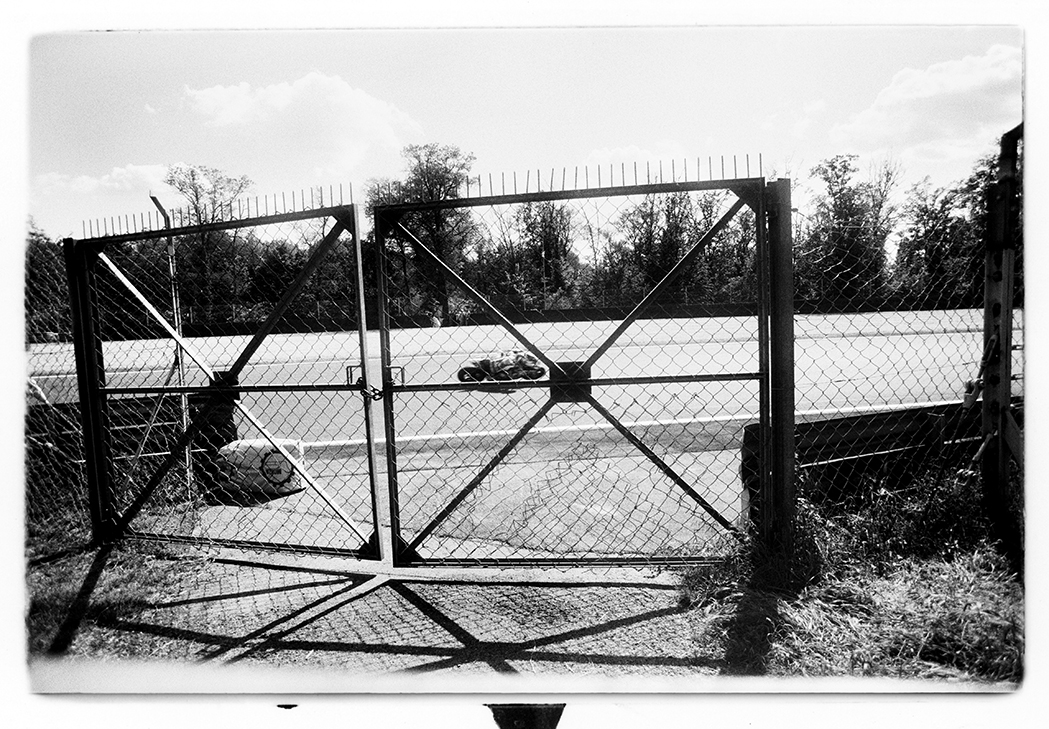
Una pista è una pista, ma Monza è un’altra cosa.
E' speciale, così perduta dentro a questo grande parco, Monza lasciata da sempre un po’ andare.
Monza per me sono mezzogiorni assolati di prima estate, quand’ero proprio ragazzo. Andavamo a vedere le macchine, qualche rara volta c’erano le moto.
La curva parabolica, le reti, sbirciare nei box dove non potevi assolutamente andare. Non avevamo mica i biglietti, scavalcavamo.
Il panino lo portavamo da casa.
Io facevo le foto con la Yashica di mio padre. Con l’obiettivo 50, il normale. Una parola che dice tutto, e che soprattutto, a Monza, serve a poco.
In camera oscura, a casa, con l’ingranditore, cercavo di enfatizzare al massimo le macchine o le moto. Le foto si sgranavano e mi eccitavo quando nel rullino trovavo un panning* venuto bene o una Giulietta in curva su tre ruote.

“Facciamo un servizio su Monza, ma lo vorrei scattato come una volta, tutto in pellicola”

Me lo chiede, guarda caso, Stefania Molteni, photeditor di Riders, che di tutto il mio passato a Monza non sa nulla, ma di come vanno le tendenze della fotografia ne sa parecchio.

E così - grazie mille - ci sono tornato, proprio come una volta, con due corpi Nikon senza motore. Niente digitale, lasciata proprio a casa.


Coincidenze.
Perché io sono in piena rieducazione analogica.
Ora racconto: un po' di tempo fa ero in crisi. Odiavo ormai la mia G10 che tra quando schiacci e quando scatta passano ore.
L’ IPhone? Lo uso, naturalmente. E' la Polaroid di questi tempi.
Ho chiesto in giro. Gli amici mi hanno detto: “prova questa, la usa anche Terry” o “prova questa, la uso anch’io”
Mi entusiasmavo - per tre secondi - poi tristezza.
Mi sembravano tutte così brutte.
Così ho aperto la mia blindata. Dico, qualcosa troverò magari qui.
E ho tirato fuori la mia Nikon F3.
Gli ho messo dentro un rullino di HP5, 400 Asa, bianco e nero, 36 pose.
E da quel giorno sono proprio felice.
E’ bella la resa della pelle, con la pellicola. Niente Photoshop. Lo sfuocato è delicato, poetico.
Quando inquadro, ci vuole un po’ per impostare tempi e diaframmi e mettere a fuoco. Non puoi avere fretta. E fai giusto "Click".
E quel click non è un suono astratto, digitale.
E’ dovuto a una tendina, a un diaframma, a uno specchio. Roba che si muove veramente e che muovendosi fa rumore.
Sul dorso della macchina non c’è niente. Non c’è uno schermo da fissare come un babbeo tra una raffica di scatti e l’altra.
Con la pellicola devi aspettare, anche giorni.
E l’attesa è dolce di fantasie sulle tue foto: come saranno?
“Speriamo che siano venute”. Che bella frase. Piena di speranze, di desiderio. Di amore.
Le persone amano farsi fotografare con una macchina a pellicola.
Non saprei dire esattamente perché, probabilmente il mio atteggiamento è diverso.
Sono più rilassato, meno legato al risultato.
L’esperienza del ritratto si fa più concreta, più vera. Più importante.
In tutto questo non c’è niente di veramente nuovo per me.
Ho scattato in pellicola per quasi trent’anni, ma questo è il momento di un ritrovato amore.
Come una persona che credevi di aver perduto e che oggi inaspettatamente ritrovi. Ti accorgi di quanto ti era mancata, di quanto la tua vita fosse fredda e vuota senza di lei.
Una persona con la quale puoi essere proprio te stesso, pienamente, di nuovo, finalmente.

Riders
June Issue.
"Domenica sono andato a Monza ( per l'ultima volta forse)"
Photographed by Toni Thorimbert
Photo Editor: Stefania Molteni


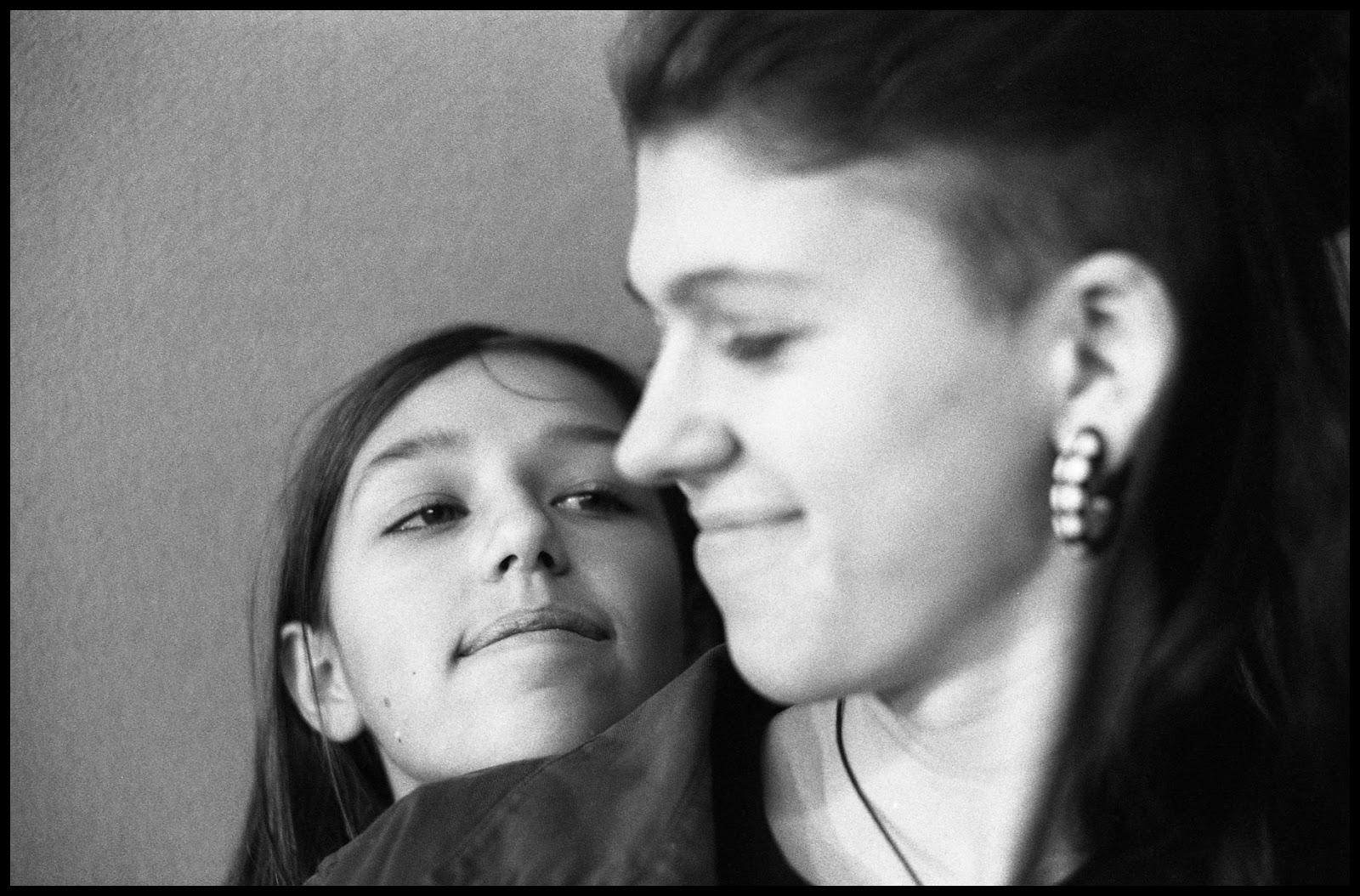
Dedico questo post alle mie figlie Gia e Diana.
Naturalmente fotografate con la mia Nikon.


Credits:
Gia + Diana photographed by Toni Thorimbert using a Nikon F3
Toni Thorimbert photographed at Monza circuit by Stefania Molteni using Iphone
The "Nikons" photographed by Toni Thorimbert using Iphone + Instagram App.

* il "panning" è una tecnica con la quale si fotografa un soggetto in movimento seguendolo con la fotocamera in modo che lo sfondo risulti mosso.


English translation
A track is a track, but Monza is a different story.
It is special, so lost within this great park, Monza always left somehow to itself.
Monza means to me sunny noons in early summer, when I was a kid. We went to see the cars, on rare occasions there were motorcycles.
The parabolic curve, the nets, the peeks into the box area that was absolutely inaccessible. Having no tickets, we trespassed.
We had sandwiches brought from home.
I shot pictures with my father’s Yashica. With the 50mm lens, the normal one. A word that says it all, and most importantly, in Monza, is quite useless.
In the darkroom, at home, with the enlarger, I tried to emphasize the most of the cars or motorbikes. The photos grained out and I was excited when in the roll I found a good panning* or a “Giulietta” car bending on three wheels.

"Let’s do a reportage of Monza, but I would want it shot as in the past, all with film."

Asking me this, strangely enough, is Stefania Molteni, photo-editor for Riders Magazine, who does not know anything of all my past in Monza but knows a lot about the trends of photography.

So - thank you very much - I went back there, just as those times, with two Nikon bodies without any motor. No digital at all, I left it at home.

Coincidences.
Because I am in full analog rehab.
Now the story: some time ago I was in crisis. I hated my G10 camera that had ages of click delay.
IPhone? I use it, of course. It is today’s Polaroid.
I asked around. Friends told me: "Try this, even Terry uses it" or "Try that, I use it myself"...
I got excited - for three seconds - then just frustrated.
They all seemed so ugly.
So I opened my vault. I said to myself, maybe I'll find something here.
I took out my Nikon F3.
I loaded a roll of HP5 film, 400 ASA, black and white, 36 poses.
And since that day I'm really happy.
The texture of the skin is beautiful, with film. No Photoshop. The focus is delicate, poetic.
When I frame, it takes a while to set shutter speed, aperture and focus. You can’t be in a hurry. And then you just do the "Click".
That click is not an abstract, digital sound.
It’s due to a shutter curtain, a diaphragm, a mirror. Stuff that moves, and that makes noise by moving.
On the back of the camera there is nothing. No screen to look at like a sucker between a burst of shots and the other.
With film you have to wait, even days.
And the wait is sweetly filled with fantasies about your photos: how will they be?
"I hope they come out." What a beautiful phrase. Full of hope, of desire. Of love.
People love to have their pictures taken with a film camera.
I can’t say exactly why, probably my attitude is different.
I am more relaxed, less tied to the result.
The experience of portrait becomes more concrete, more real. More important.
In all this, there is nothing really new to me.
I have been shooting with film for almost thirty years, but this is the time for a rediscovered love.
Like a person you thought you had lost and now you unexpectedly find again. You realize how much you have been missing her or him, how your life was cold and empty without that.
A person with whom you can just be yourself, fully, again, finally.

Riders
June Issue.
"On Sunday I went to Monza (maybe for the last time)"
Photographed by Toni Thorimbert
Photo Editor: Stefania Molteni

I dedicate this post to my daughters Gia and Diana.
Of course photographed with my Nikon.

*The "panning" is a technique by which you shoot a moving subject following it with the camera, so that the background appears blurred.

Translation by Francesca Stella.


Click on the pictures to enlarge.


Recently published: The beautiful actress Luisa Ranieri for Io Donna, the amazing bass player Saturnino for Max, and something HOT by Luca Beatrice


Io Donna
Luisa Ranieri, cover story.
Photographed by Toni Thorimbert
Styled by Silvia Meneguzzo

Hair+Makeup: Emiliano Restuccia
Backstage photography by Giorgio Serinelli

Max
Saturnino.
Photographed by Toni Thorimbert
Styled by Alessandro Calascibetta

Grooming by Luca Lazzaro
Backstage photography by Giorgio Serinelli


HOT
Galleria De Magistris
Via Sant'Agnese 16 Milano
An exibithion curated by Luca Beatrice + Benedetta De Magistris.

Here below some images from the catalogue:


Araki


Alva Bernadine


Richard Kern


Mario Schifano


Lady Tarin


Toni Thorimbert

The exhibition include also artworks by Jean Cocteau, Francesco De Molfetta, Daniele Galliano, Antonio Guccione, Peter Klasen, Plinio Martelli, Sabrina Milazzo, Mog, Fulvia Monguzzi, Arash Rodpour, Francesco Tricarico, Christian Zucconi+Mustafa Sabbagh + Sex toys by Boris Hoppek and Karim Rashid. Condoms by Keith Haring.

To be visited until 6 July 2013.

Click on the pictures to enlarge.

The problem of Italian photography? The Italian mother!


Fotoincontri, San Felice sul Panaro.

Le mamme sono saltate fuori verso le due e mezza di notte, al Cacao Bar di San Felice sul Panaro.
Saremo una ventina, c’è l’ Oliviero con la Kristi, Gastel, Settimio Benedusi, io, un po’ di ragazzi dai workshops, Chico De Luigi, La Franca, il Davide.
Sottofondo pesante di Rhianna, e anche peggio, musica disco.
Sul viso di Gastel roteano lucine colorate a led.
E’ bello qui. Sabato sera, fuori piove a dirotto, stiamo nel bar con i cappotti, le sciarpe. Fine maggio e fa un freddo della Madonna. Ma la vodka aiuta, specie Giovanni, dal numero di brindisi che gli vedo fare.
Siamo grandi. Anzi siamo proprio noi, "i grandi".
Cosa c’entrano adesso le mamme? Non lo so, ma qualcuno evidentemente le evoca, perché spuntano fuori, come dal nulla, proprio loro: Ci vogliono moooolto bene, naturalmente, ma sono piuttosto arcigne, severe. E come solo le mamme sanno fare, per un po’ occupano totalmente la scena:
Quella di Giovanni, con la erre super moscia: “Giovanni, cavo, ma dimmi…esattamente, cosa ci trovano di così speciale nelle tue foto?...” cazzo, tutti ridono, anche lui, con l’occhio spalancato, ride chissà un filino meno.
Tocca a Benedusi, dice: “Sono nato a Imperia e l’anno scorso ricevo sta cosa, cittadinanza onoraria, anzi, il “premio Città di Imperia” Io e Carli, quello dell’olio. Lui, una potenza. Io con la mia mostra, tutto in pompa magna, il sindaco con la fascia. Col mio bel Prada passo da casa di mia madre. Lei mi apre, mi guarda, sconsolata: “ Mah…Settimio! Sembri proprio il figlio di nessuno!”
Una volta ero da Oliviero, al podere, giù in Toscana. Rocco era piccolo: otto, dieci anni. A pranzo, mega tavolata con tutti: Kristi, i figli, la sorella Maria Rosa, la mamma. Si parla di Fedele, il papà di Oliviero. Grande uomo, grande fotoreporter, inviato del Corriere. La mamma dice: “Eh, Fedele…lui sì, era un gran personaggio…” Chiede Rocco: “ un personaggio grande come papà?” Pausa. Lunga. Tutti con la forchetta a mezz’aria: “più del papà, più del papà…”
Porcaccia miseria, mi cadde la mascella. Voglio dire, ma voi l’Oliviero lo avete mai visto? Quello è una forza della natura, e se c’è un personaggio, oggi, in Italia, lascia stare le foto, ma proprio in generale, quello è Oliviero. Ma niente: soddisfazione zero.
Tutti ridono, Oliviero pure, sogghigna. Vorrei essere stato capace di fargli una foto.
La mia comunque non è da meno. Sottile, affilata: “ Senti Christophe - lei mi chiama così – ma come mai vedo spesso mostre belle dove non ci sono tue foto, e invece mostre brutte dove ci sono? “
Che bello trovarsi, così diversi, ma così uniti dalle nostre mammine care. 
Da non credere. Tanti, tanti anni fa - era una conferenza dell’AFIP, credo - avevo detto che il problema della fotografia italiana era la mamma. Erano altri tempi e questa affermazione suonò come una provocazione. Intendevo dire che noi, italiani, mammoni, stavamo troppo a casina, ancorati alle sottane, allo spaghettino, alle camicie stirate e che questo si rifletteva inevitabilmente sulla qualità delle nostre immagini.
Mi sembrava che gli altri, i francesi, gli inglesi, gli americani, fossero più capaci di mettersi in gioco. Poca mamma, meno famiglia. Più internazionali, con uno spirito più avventuroso. Magari più soli, magari più stropicciati, ma più tosti.
Stanotte, qui a San Felice, vedo la mia teoria - purtroppo - confermarsi.
Vuoi vedere che proprio noi,  i “maestri” - come ci hanno chiamato per tre giorni qui a Fotoincontri, - ormai un po’ grandicelli anche di età, stiamo ancora lottando per farci vedere da mammà quanto siamo bravi, e ancora non ci siamo riusciti?


Toni Thorimbert + Oliviero Toscani


Gianni Berengo Gardin + Settimio Benedusi


Chico De Luigi + Oliviero Toscani. Photographed by Toni Thorimbert


Gianni Berengo Gardin + Chico De luigi + Ferdinando Scianna. Photographed by Davide Farabegoli


Gabriele Rigon


Giovanni Cozzi


Giovanni Gastel

All picures by Chico De Luigi unless otherwise credited.


English translation:

The mommies leaped out around two thirty in the morning, at the Bar Cacao in San Felice sul Panaro.
It’s about twenty of us, there is Oliviero with Kristi, Gastel, Settimio Benedusi, me, some guys from the workshops, Chico De Luigi, Franca, Davide.
Background music pumping Rihanna and, even worse, disco music.
Colored led lights spin on Gastel’s face.
It's nice in here. Saturday night, outside it’s raining cats and dogs, we're in the bar with coats and scarves. It’s the end of May and it's freezing cold. But vodka helps, especially Giovanni, given the number of toasts he does.
We are great. We are the ones, "the great".
So what's with mothers now? I don’t know, but someone clearly evokes them, because they come out as if from nowhere: they love us soooo much, of course, but they are rather grim, severe. And as only mothers can do, for a while they hold the stage.
Giovanni’s mother, with her super soft-R accent: "Giovanni, my dear, tell me... what exactly do people find so special in your photos...?" WTF! Everyone laughs, he does too with eyes wide open, but maybe he laughs a tad bit less.
It's the turn of Benedusi, he says: "I was born in Imperia and last year I got this honorary citizenship, actually the "City of Imperia Prize". It’s me and Carli, the one of the olive oil. He’s such a big shot. I have my show, all in grand style, with the mayor wearing the sash. In my beautiful Prada I drop in to my mother's. She opens the door, looks at me, disconsolate: "But… Settimio! You look just like the son of no-one! "
Once I was with Oliviero, at the farmstead down in Tuscany. Rocco was young: eight, ten years old. At lunch, there was a long table with everyone: Kristi, the children, his sister Maria Rosa, his mom. We were talking about Fedele, Oliviero’s father. Great man, great photojournalist, reporter for the “Corriere” newspaper. His mother said: "Well, Fedele… he was indeed a great character…". Rocco asked: "As great as daddy?". Pause. A long one. All were holding their forks in mid-air: "More than your father, way more…".
Holy shit, I dropped my jaw. I mean, have you ever seen Oliviero? He is a force of nature, and if there is a character in Italy today, left aside the pictures, but just in general, that one is Oliviero. But anyway: no satisfaction.
Everyone laughs, Oliviero as well, grinning. I wish I was able to snap a picture.
However, my mother is not far behind. Subtle, sharp: "Listen Christophe - she calls me like that - how come I often see beautiful exhibitions with no photos of yours, and instead bad shows with your pictures?".
How nice to get together, being so different but even so connected thanks to our dear mommies.
Unbelievable. Many, many years ago – I think it was an AFIP conference – I said that the problem of Italian photography were mothers. Those were different times and this statement sounded like a provocation. I meant to say that we, Italians, mama’s boys, were too attached to our dear homes, anchored to mothers’ skirts, always with fresh-cooked spaghetti and ironed shirts, and this inevitably reflected on the quality of our images.
It seemed to me that the others - French, British, Americans - were more able to get into the game. Less mama, less family. More international, with a more adventurous spirit. Maybe more alone, perhaps more rough, but also tougher.
Tonight, here in San Felice, I see my theory - unfortunately - confirmed.
Can’t you see how we, the "masters" - as they called us for three days here at “Fotoincontri” - now grown-ups, still struggle to show mommy how good we are, and yet don’t succeed?

Translation by Francesca Stella.

To know more about FOTOINCONTRI:
http://www.fotoincontri.net/

Click on the pictures to enlarge.

Let the images talk: Superbike champion Sylvain Guintoli for Riders magazine + "Black London" a fashion essai for Max styled by Andrea Porro.


Here below a short backstage video filmed by writer Moreno Pisto.


Here below few backstage pictures shot by Giorgio Serinelli.


Riders magazine, May issue.
Sylvain Guintoli photographed by Toni Thorimbert
"Tutto casa e corse"
Writer Moreno Pisto

Max magazine, May issue.
"Black London", photographed by Toni Thorimbert
Styled by Andrea Porro.


Click on the pictures to enlarge.